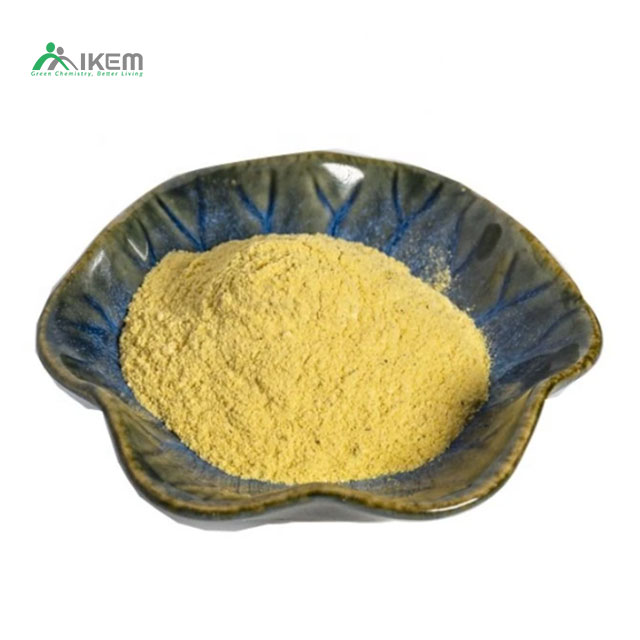
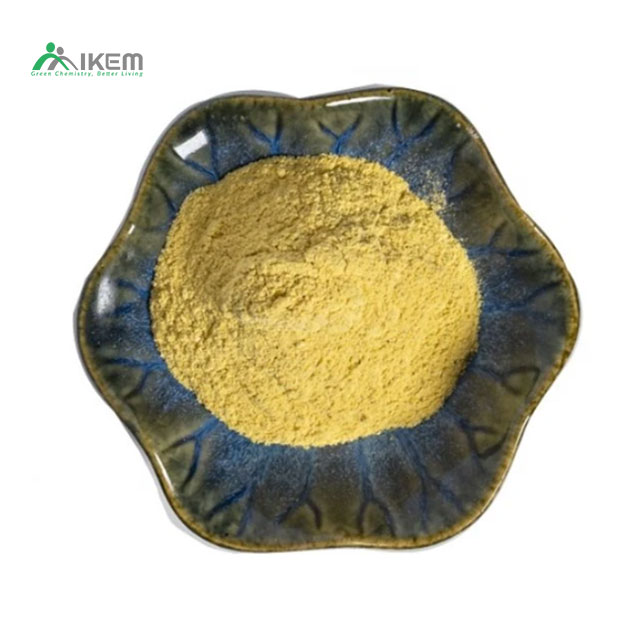
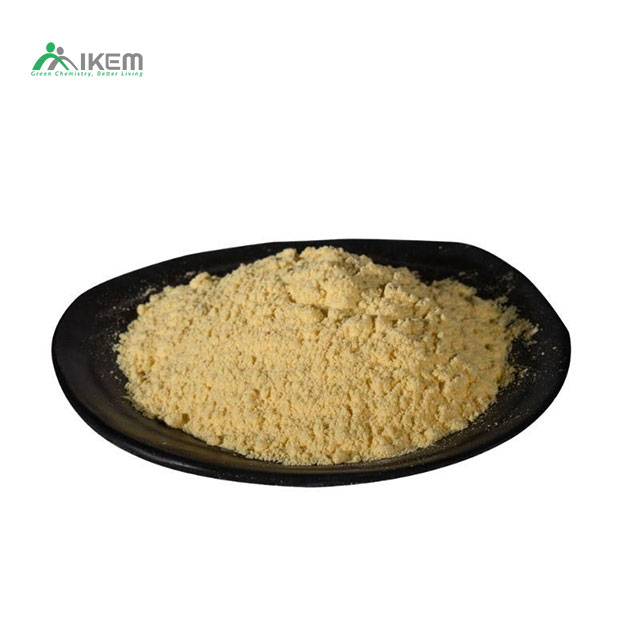
What is Flavanthrone CAS 475-71-8?
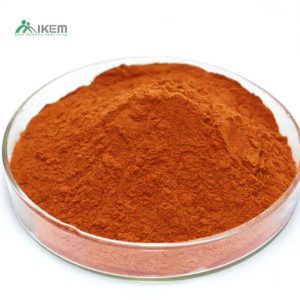
Flavanthrone CAS 475-71-8, also known as C.I. Vat Yellow 1 or Pigment Yellow 24, is a brownish-yellow needle-like crystalline compound that operates as an insoluble vat dye, applied through reduction to a soluble leuco form in alkaline media followed by oxidation for color fixation on fabrics; it is synthesized from anthraquinone derivatives and exhibits excellent fastness properties but requires careful handling due to potential irritancy and environmental persistence.
Specification
| Item |
Value |
| Boiling Point |
730.1±55.0 °C(Predicted) |
| Density |
1.575±0.06 g/cm3(Predicted) |
| pka |
-0.82±0.20(Predicted) |
| Color |
Yellow |
| Form |
Powder |
| Storage Temp. |
Sealed in dry, Room Temperature |
Feature
- Physical Properties: Brownish-yellow crystalline powder with a molecular weight of 408.41 g/mol, density of 1.50 g/cm³, and high thermal stability with minimal volatility at 105°C; insoluble in water but dispersible in organic solvents.
- Chemical Reactivity: Features a conjugated polycyclic structure enabling reversible reduction-oxidation for dyeing; highly resistant to acids, alkalis, and bleeding (rated 5 on standard scales), with low water solubility and oil absorption of 45-50%.
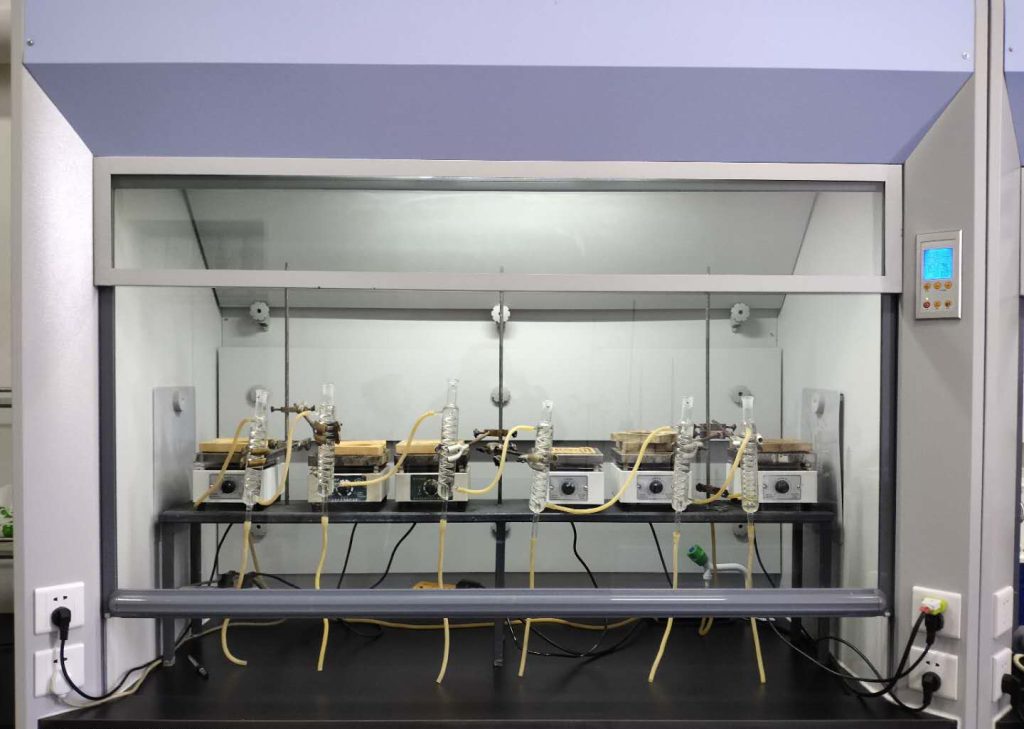
- Synthesis: Prepared from 1-chloro-2-phthalimidoanthraquinone via intermediate formation and copper-catalyzed cyclization in trichlorobenzene, followed by alkaline ring closure with sodium hydroxide.
- Safety Profile: May cause respiratory, skin, or eye irritation upon inhalation or contact; handle with protective equipment in well-ventilated areas, and dispose via controlled incineration to mitigate environmental release; limited toxicity data but noted for potential bioaccumulation.
Application
- Textile Dyeing: Used as a vat dye for cellulosic fibers like cotton and rayon, providing brilliant yellow shades with superior wash, light, and chemical fastness in fabrics and prints.
- Pigments and Coatings: Incorporated into paints, printing inks, and varnishes for durable yellow coloration in industrial and artistic applications.
- Organic Electronics: Explored as a semiconductor material in organic light-emitting diodes (OLEDs), photovoltaic cells, and fluorescence studies due to its photophysical and charge transport properties.
- Research and Analysis: Employed in analytical chemistry for compound detection, biological assays for cellular processes, and material science investigations into photostability and conjugated systems.
Packaging
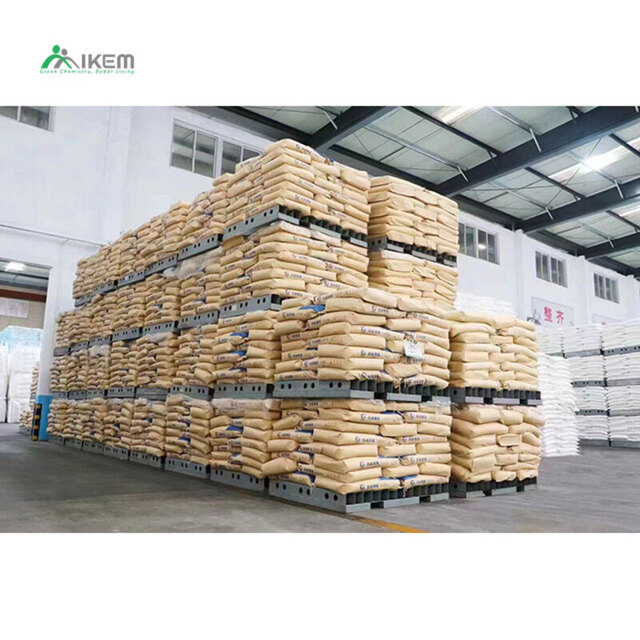
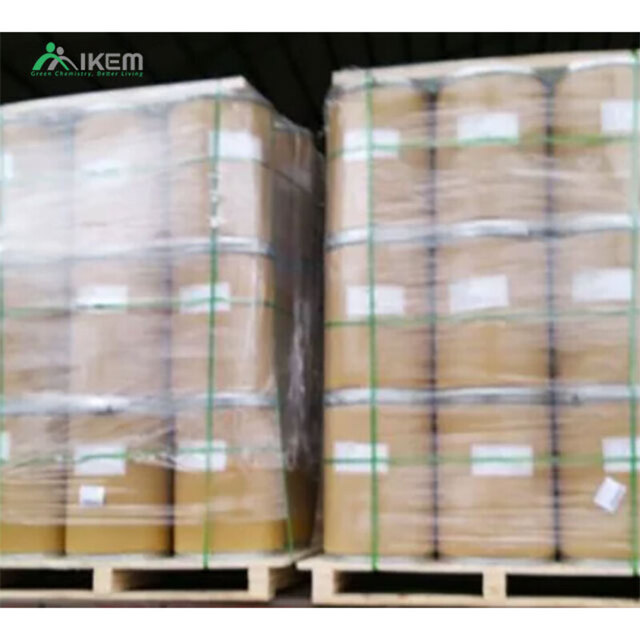
Mikem offers flexible packaging options, including 25 kg of fiber drums for liquid products and 15–25 kg PP/PE bags for powder products, all customizable to meet your specific needs.