What is Pulchinenoside E4 CAS 1415553-83-1?
Pulchinenoside E4 CAS 1415553-83-1 is a naturally occurring triterpenoid glycoside classified as an oleanane-type saponin, most commonly isolated from the medicinal plant Pulsatilla chinensis (Ranunculaceae), historically recognized for its array of bioactive constituents; it is distinct from small molecule drugs and instead is supplied commercially as a high-purity (>95 %) analytical/reference standard for use in biological research, particularly in studies probing cytotoxic mechanisms and the roles of saponins in cellular models.
Specification
| Item |
Value |
| Density |
1.46±0.1 g/cm3(Predicted) |
| Color |
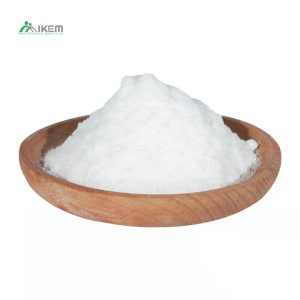
white to off-white |
| Form |
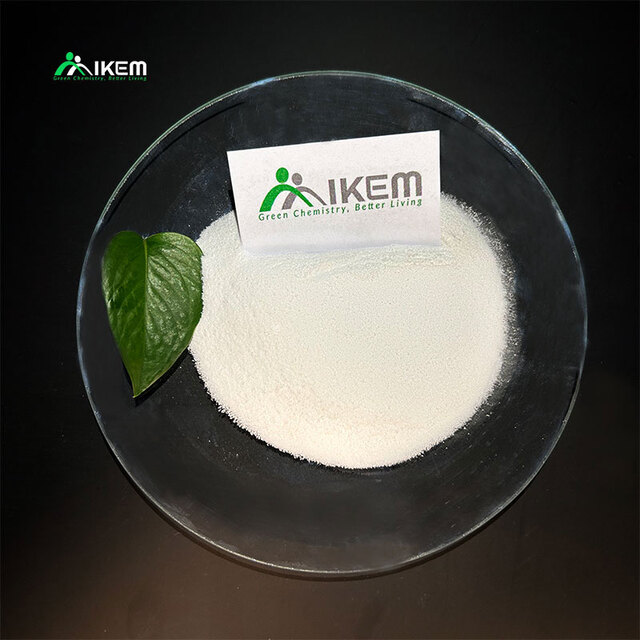
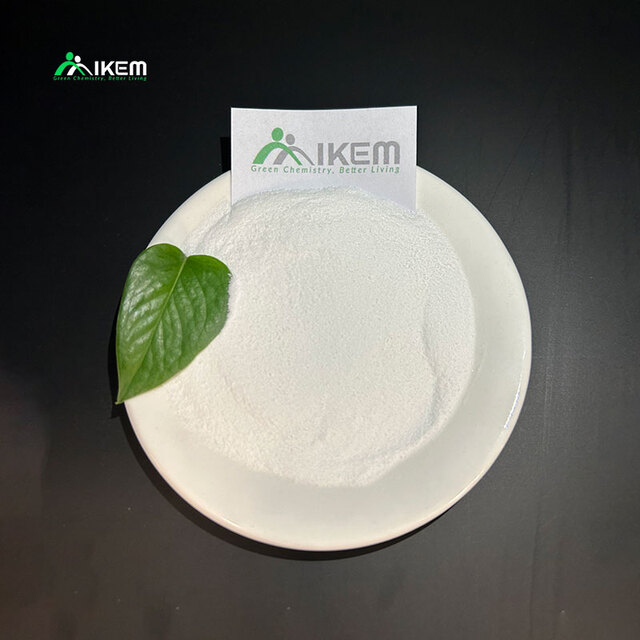
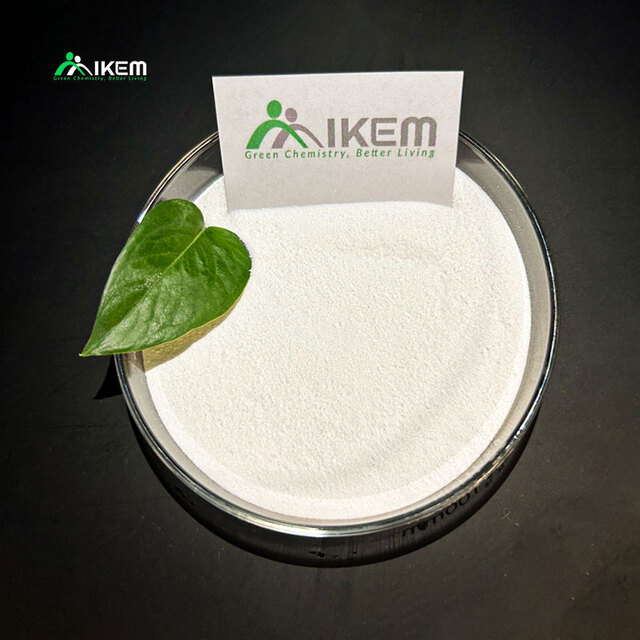
Powder |
Feature
- Plant Origin: Derived primarily from the roots of Pulsatilla chinensis (often referred to in traditional Chinese medicine), placing it among saponins associated with this botanical source.
- Saponin Class: An oleanane-type triterpenoidal saponin, indicating a pentacyclic terpenoid backbone glycosylated with multiple sugar residues typical of plant secondary metabolites.
- Natural Product Standard: Supplied commercially with high purity (~95–99 %) and analytical documentation (HPLC, MS, NMR), making it suitable for quality control and reference use in laboratory settings.
- Cytotoxic Activity: Reported in vitro studies indicate cytotoxic effects in cell-based assays, making it of interest in preliminary antitumor or cell viability research contexts.
- Research Model Use: Employed as a model compound in investigations of triterpenoid saponin interactions with biological membranes, cellular uptake mechanisms, and efflux transporter modulation.
- Chemical Reference: Utilized in analytical chemistry and phytochemical profiling as a benchmark compound to identify and quantify saponin constituents in complex botanical extracts.
- Non-clinical Grade: Intended exclusively for research purposes and not approved for therapeutic, dietary, or clinical diagnostic use.
Application
- Preclinical Research: Incorporated in cell culture and experimental designs to assess cytotoxic responses and membrane-associated phenomena in pharmacological studies.
- Analytical Chemistry: Used as a standard in chromatographic and spectroscopic assays for identification and quantification of saponins in botanical and natural product extracts.
- Compound Libraries: Included in natural product libraries for screening in high-throughput assays to identify biological activities or mechanistic insights.
- Mechanistic Biology: Applied in biochemical investigations of transporter function, such as P-glycoprotein modulation, in research contexts evaluating drug–plant extract interactions.
Packaging
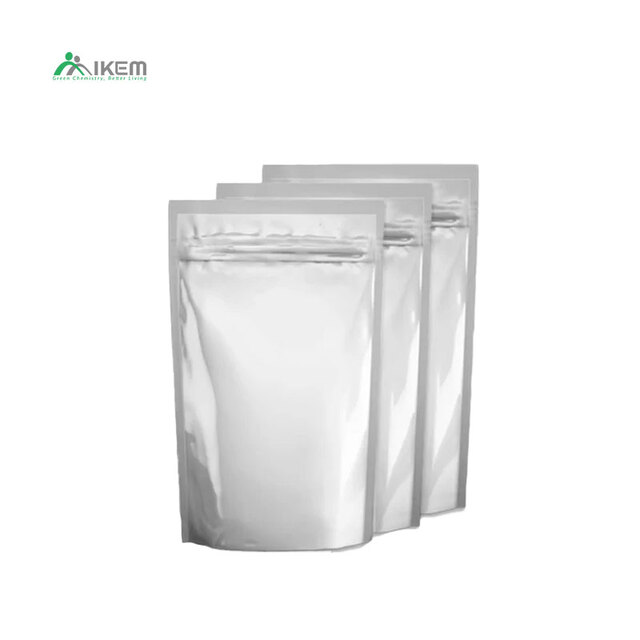
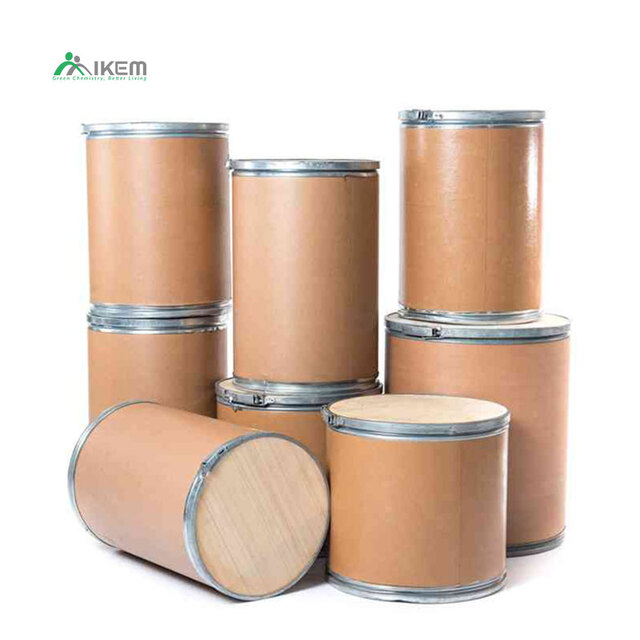
Mikem offers flexible packaging options, including 25 kg of fiber drums for liquid products and 15–25 kg PP/PE bags for powder products, all customizable to meet your specific needs.