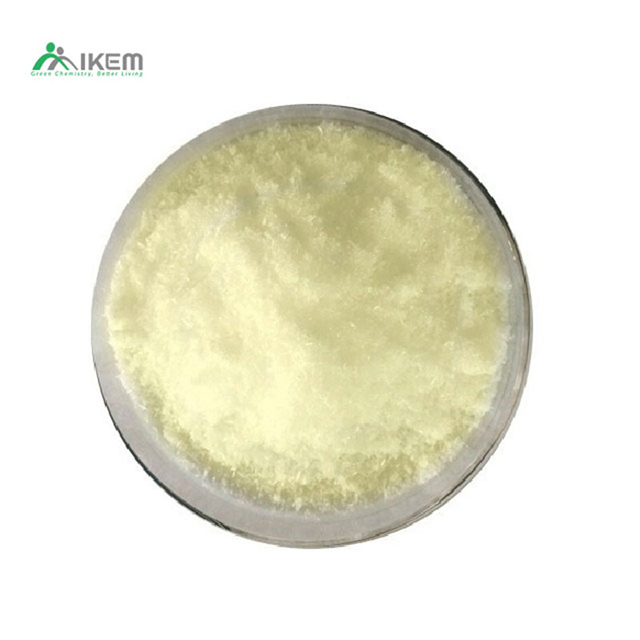
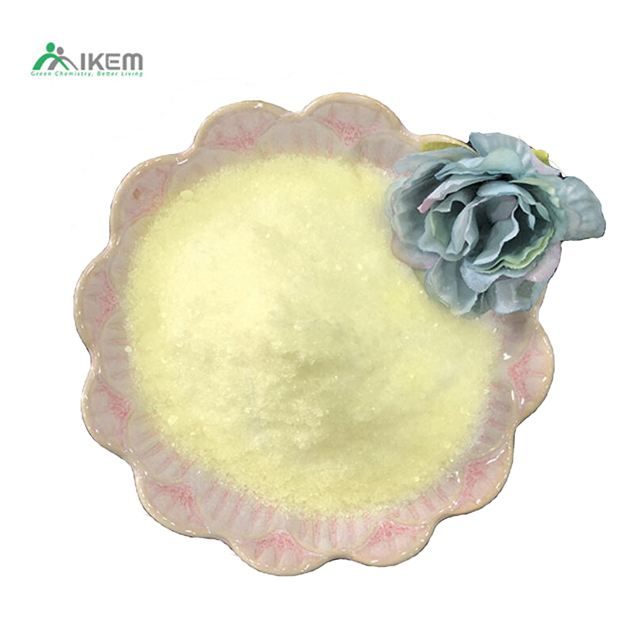
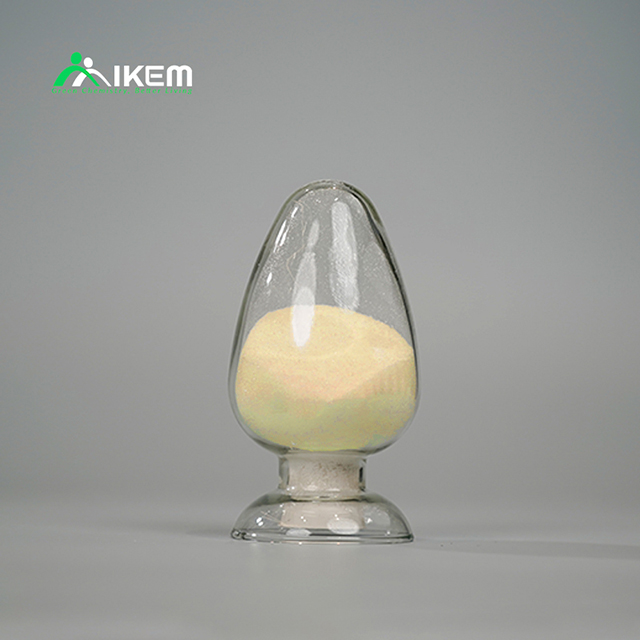
What is 3-Hydroxy-2-naphthoic acid CAS 92-70-6?
3-Hydroxy-2-naphthoic acid CAS 92-70-6, sometimes referred to as BON acid, is an important aromatic carboxylic acid belonging to the naphthoic acid family. It is primarily produced through the Kolbe–Schmitt reaction using 2-naphthol and carbon dioxide. Due to its stable aromatic framework and functional groups, the compound serves as a key intermediate in the synthesis of pigments, dyes, agrochemicals, and certain pharmaceutical compounds.
Specifications
| Property |
Value |
| Appearance |
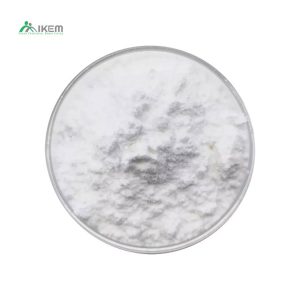
Yellow to beige-brown Fine Crystalline Powder |
| Melting Point |
218-221 °C(lit.) |
| Boiling Point |
283.17°C (rough estimate) |
| Density |
1.43 g/cm3 (23℃) |
| pka |
3.02±0.30(Predicted) |
| Fp |
>150°C |
| Storage Conditions |
Sealed in dry, Room Temperature |
Features
- Pigment Precursor: Acts as a key precursor for the production of BON-based pigments widely used in colorant manufacturing.
- Stable Aromatic: Contains a stable naphthalene structure that supports various chemical derivatization reactions.
- Industrial Intermediate: Widely applied as a building block in dye, agrochemical, and pharmaceutical synthesis.
- Colorant Compatibility: Easily couples with diazo compounds to produce colorants with high durability and stability.
Applications
- Pigment Manufacturing: Used to produce bright red BON pigments (such as Pigment Red 48 and Pigment Red 57:1) that exhibit strong color stability and resistance to acids and alkalis.
- Dye Production: Acts as an intermediate in azo dye synthesis through coupling reactions with diazo compounds.
- Agrochemicals: Serves as an intermediate in the preparation of certain insecticides and crop protection chemicals.
- Pharmaceutical Intermediates: Used as a building block in the synthesis of selected pharmaceutical compounds and fine chemicals.
Packaging
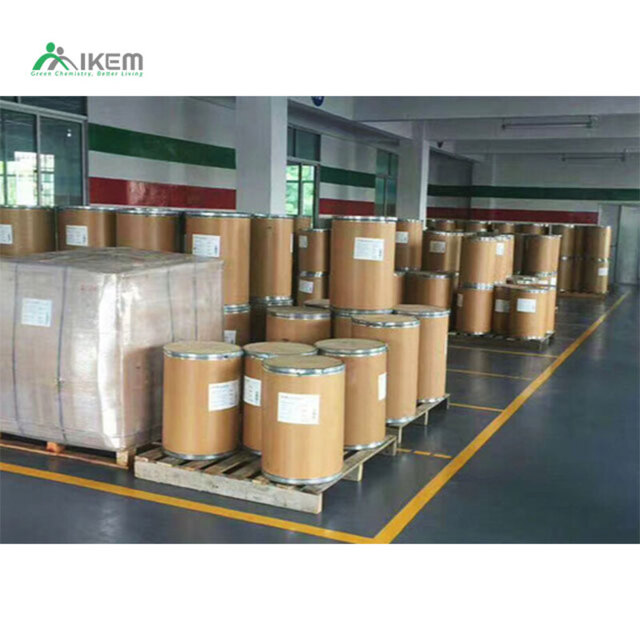
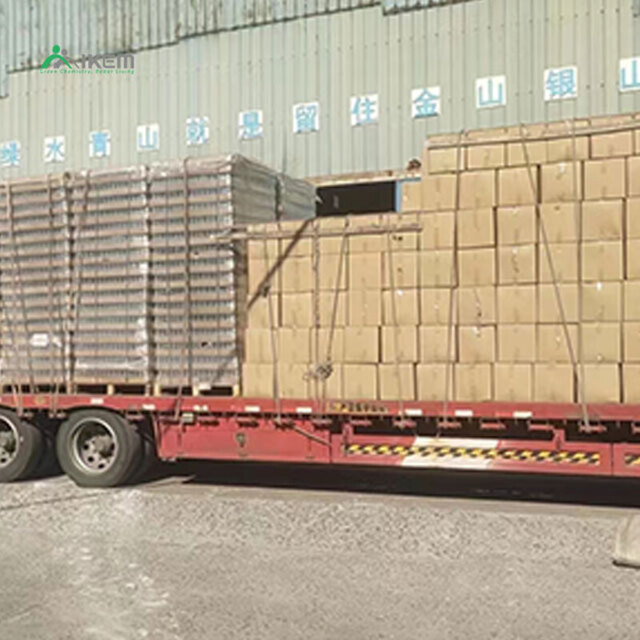
Mikem offers flexible packaging options, including 25 kg of fiber drums for liquid products and 15–25 kg PP/PE bags for powder products, all customizable to meet your specific needs.