What is Basic Green 4 CAS 2437-29-8?
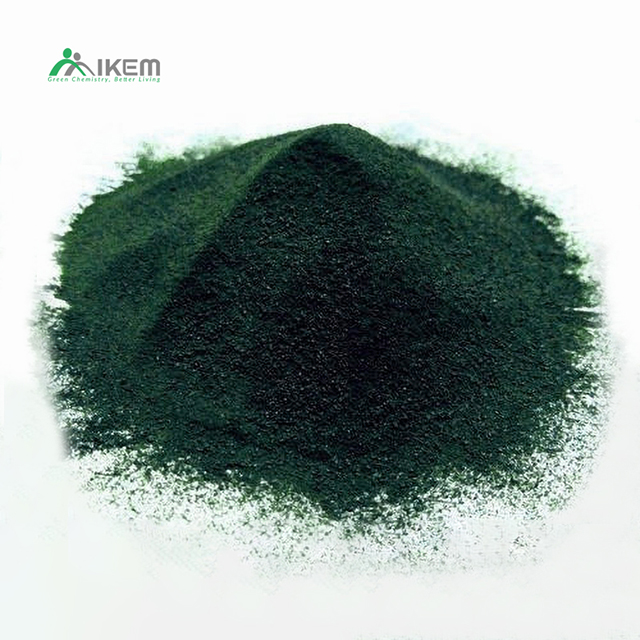
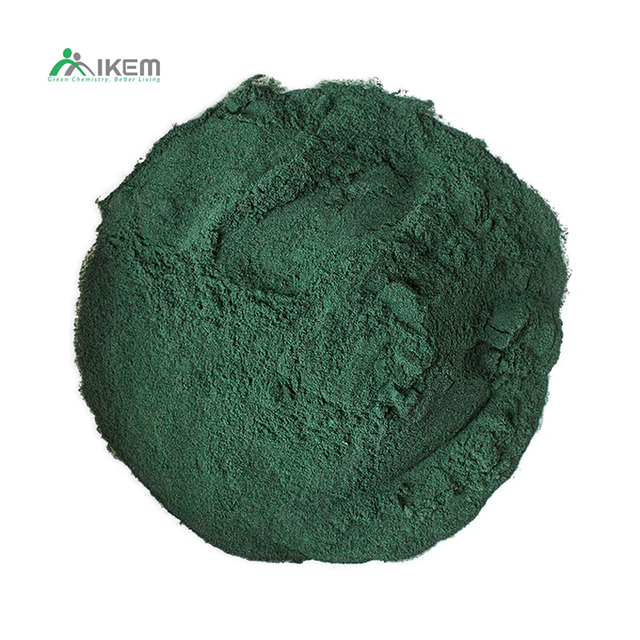
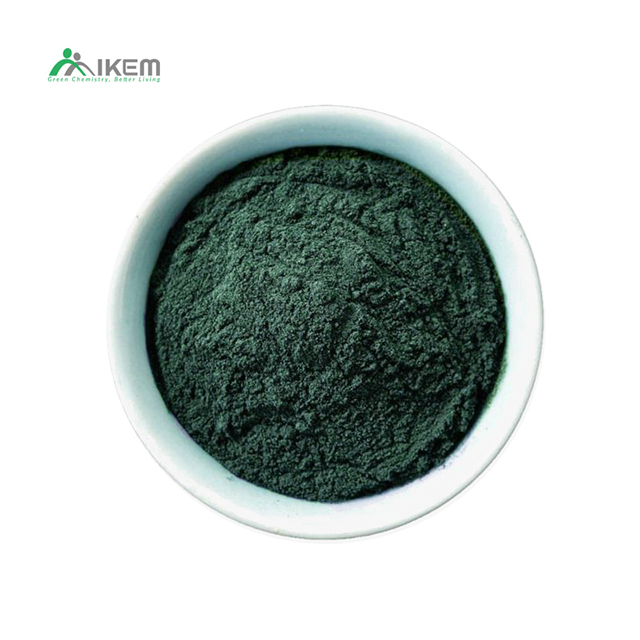
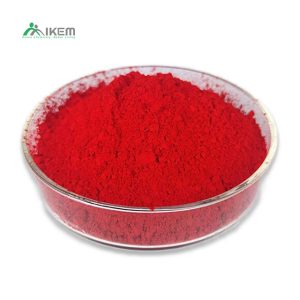
Basic Green 4 CAS 2437-29-8 is a dark green crystalline powder that forms intense emerald-green solutions in water and alcohol, with the molecular formula C₅₂H₅₄N₄O₁₂ (as the bis-oxalate salt) and molecular weight of 927.00 g/mol; it is widely recognized for its antifungal and antiparasitic properties in fish farming, as well as its application as a textile dye and biological stain, though its use is restricted in many countries due to toxicity concerns.
Specification
| Item |
Value |
| Melting Point |
164°C (dec.) |
| Bulk Density |
400-500kg/m3 |
| pka |
6.9(at 25℃) |
| Color |
Green |
| Form |
Powder/Solid |
| Ph |
2.4 (10g/l, H2O, 24℃) |
| Solubility |
110g/l |
| Stability |
Light Sensitive |
| Storage Temp. |
Stable. Substances to be avoided include strong oxidizing agents. |
Feature
- Physical Properties: Dark green crystalline powder with metallic luster, molecular weight of 927.00 g/mol (oxalate salt), melting point of 160–165°C (decomposes), density of approximately 1.25 g/mL at 20°C, and water solubility of 70 g/L at 25°C; highly soluble in alcohols and polar solvents.
- Chemical Reactivity: Cationic triarylmethane dye with a chromophore that imparts intense green color (absorption maximum around 617 nm); stable under neutral to acidic conditions but decolorizes in strong alkalis or reducing agents; exhibits strong antifungal, antibacterial, and antiprotozoal activity, particularly against Saprolegnia and Ichthyophthirius.
- Synthesis: Produced by condensation of benzaldehyde with N,N-dimethylaniline in the presence of zinc chloride or sulfuric acid, followed by oxidation with lead dioxide or manganese dioxide, and conversion to the oxalate salt for enhanced stability, yielding technical-grade products with 90–96% purity.
- Safety Profile: Toxic if swallowed, inhaled, or absorbed through skin (R25/24/21); suspected carcinogen (IARC Group 3) and mutagen with evidence of tumor promotion in animal studies; causes eye and skin irritation; banned or restricted in food, aquaculture, and cosmetics in many jurisdictions; handle with gloves, goggles, and ventilation, and dispose via incineration with scrubbers.
Application
- Aquaculture Treatment: Antifungal and antiparasitic treatment in aquaculture (historically used against fungal infections and white spot disease in fish), though largely phased out due to bioaccumulation risks.
- Textile Dyeing: Dyeing of silk, wool, leather, jute, and paper with high tinctorial strength and bright shades.
- Biological Staining: Biological staining of bacteria, spores, and plant tissues in microscopy.
- Analytical Chemistry: Reagent in analytical chemistry for detecting sulfite and as a pH indicator; component in mixed stains and industrial inks.
Packaging
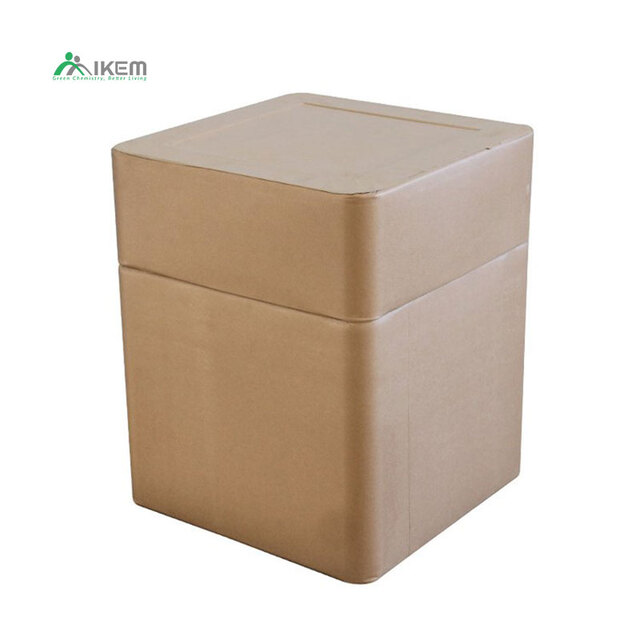
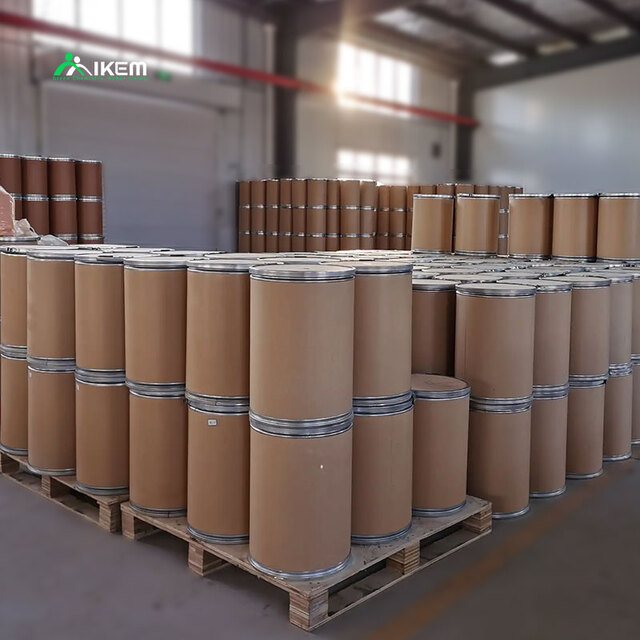
Mikem offers flexible packaging options, including 25 kg of fiber drums for liquid products and 15–25 kg PP/PE bags for powder products, all customizable to meet your specific needs.