What is Pyruvic acid CAS 127-17-3?
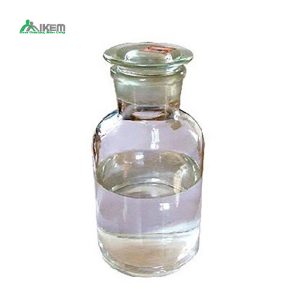
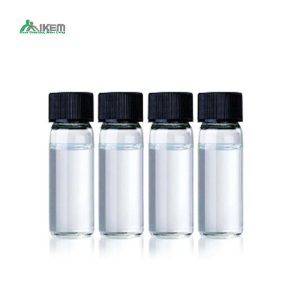
Pyruvic acid CAS 127-17-3 (also known as 2-oxopropanoic acid) is a naturally occurring α-keto acid and key intermediate in cellular metabolic processes such as glycolysis and the citric acid cycle. It exists as a clear colorless to light yellow or amber liquid with a characteristic sharp sour acetic caramellic odor, and is a multifunctional raw material widely used in biochemical research, pharmaceutical synthesis, food flavoring and cosmetic manufacturing. As an important synthetic intermediate, it also serves as a critical reference substance for enzyme activity detection and metabolic pathway research in laboratory studies.
| Item |
Value |
| Appearance |
Clear colorless to light yellow or amber liquid |
| Melting point |
11-12 °C (lit.) |
| Boiling point |
165 °C (lit.) |
| Density |
1.267 g/mL at 25 °C (lit.) |
| Flash point |
183 °F |
| pKa |
2.39(at 25℃) |
| Storage Condition |
Store at 2-8 °C, cool and dry place, tightly sealed |
Feature
1. Core Metabolite Characteristic – As an endogenous α-keto acid, it is a key intermediate in glycolysis, gluconeogenesis and the citric acid cycle, participating in the metabolism of carbohydrates, proteins and fats in living cells.
2. Excellent Solubility Profile – Miscible with water, methanol, chloroform and diethyl ether, enabling flexible application in various aqueous and organic reaction systems and formulation processes.
3. Dual Antioxidant Mechanism – Directly scavenges hydrogen peroxide through non-enzymatic decarboxylation, and indirectly enhances the glutathione antioxidant system by promoting the pentose phosphate pathway, with significant free radical damage inhibition effects.
4. Stable Physical and Chemical Properties – Combustible and stable under normal storage conditions, with clear and definite physical constant data, ensuring reproducibility of experimental and production results.
5. Grade Optional Purity – Available in 98%min and 99% high purity grades, meeting the quality requirements of different application scenarios such as research, industrial synthesis and food processing.
6. Characteristic Sensory Properties – With sharp sour acetic caramellic odor and sour fruity taste with creamy nuances, it is an ideal flavor raw material with natural sensory characteristics.
Application
1. Biochemical and Metabolic Research – Serves as a key substrate for assaying the activity of metabolic enzymes such as pyruvate dehydrogenase, pyruvate carboxylase and pyruvate decarboxylase; used for studying cellular glycolysis, the citric acid cycle and other metabolic pathways, and as a research tool for aging-related cell metabolism studies.
2. Pharmaceutical Synthesis – Acts as an important intermediate for the synthesis of pharmaceutical raw materials such as L-tryptophan, L-tyrosine, 3,4-dihydroxyphenyl alanine and thiabendazole; used as a diagnostic agent for Parkinson’s disease research, and applied in the research and development of anti-aging drugs targeting pyruvate dehydrogenase.
3. Food Flavor and Fragrance Industry – Used as a flavor additive in the formulation of food flavors with acidic, sweet and caramellic notes; the content of pyruvic acid is used as a quantitative index for measuring onion pungency, and is also a natural flavor component in dairy products, wines, bread and cheese.
4. Cosmetic Manufacturing – Serves as a fragrance ingredient in cosmetic formulations, and its derivative sodium pyruvate is widely used in skin care products as an alpha hydroxy acid raw material.
5. Biotechnology and Fermentation Industry – Used as a component of microbial culture broths and media; applied in the industrial production of pyruvic acid by microbial fermentation using glucose and glycerol as raw materials, and as a raw material for the synthesis of sialic acid and other bioactive substances.
6. Nutritional Supplement Research – Used in the research and development of nutritional supplements, with the potential to promote fat loss and reduce muscle protein loss when used as a dietary supplement, and applied in sports nutrition and weight management research.
7. Analytical Detection – Applied in liquid chromatography and the qualitative and quantitative determination of organic acids in red wine and other food samples, serving as a standard reference substance for analytical testing.
Packaging
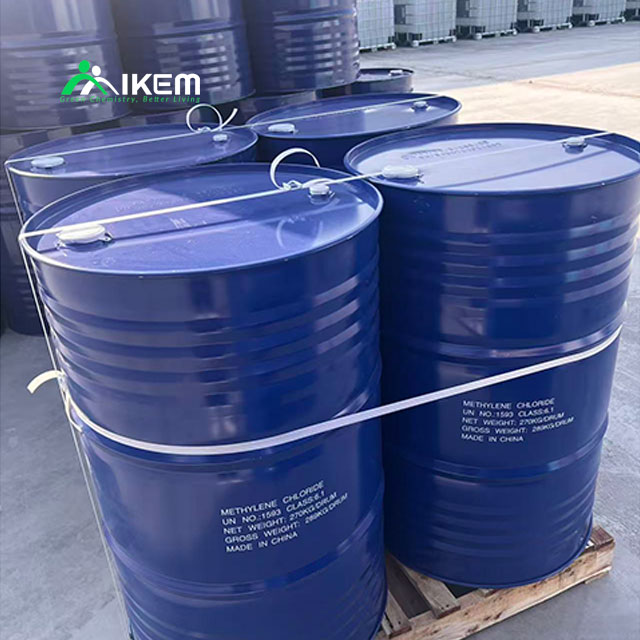
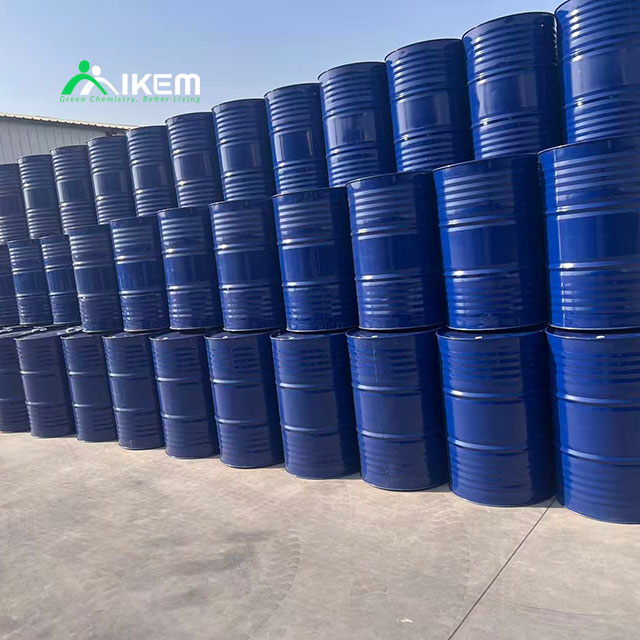
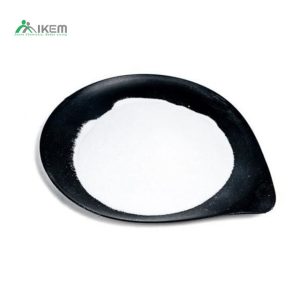
Mikem offers flexible packaging options, including 25 kg of fiber drums for liquid products and 15–25 kg PP/PE bags for powder products, all customizable to meet your specific needs.