What is Acetyl chloride CAS 75-36-5?
Acetyl chloride CAS 75-36-5, also known as ethanoyl chloride, is one of the simplest and most important acyl chlorides, extensively utilized as a core reagent for introducing acetyl groups into organic molecules, making it indispensable in the synthesis of pharmaceuticals, agrochemicals, polymers, and a wide range of fine chemicals.
Specifications
| Property |
Value |
| Appearance |
Clear colorless to yellow-gray Liquid |
| Melting Point |
-112 °C (lit.) |
| Boiling Point |
52-54 °C (lit.) |
| Density |
1.104 g/mL at 25 °C (lit.) |
| Fp |
40 °F |
| Storage Conditions |
Store at 2–8 °C, cool and dry place, keep away from moisture and ignition sources |
Features
- Strong Acylation: Highly effective reagent for transferring acetyl groups to nucleophilic substrates.
- Industrial Backbone: Serves as a fundamental intermediate across multiple chemical manufacturing sectors.
- High Reactivity: Enables rapid transformation in esterification, amidation, and Friedel–Crafts reactions.
- Wide Compatibility: Applicable to a broad range of organic compounds and synthetic pathways.
Applications
- Pharma Intermediate: Used in the synthesis of active pharmaceutical ingredients and drug intermediates.
- Acetylation Reagent: Key reagent for producing esters, amides, and acetylated derivatives.
- Polymer Production: Applied in the manufacture of cellulose acetate and related materials.
- Agrochemical Use: Utilized in the preparation of pesticides and crop protection agents.
- Fine Chemicals: Serves as a building block for dyes, fragrances, and specialty organic compounds.
Packaging
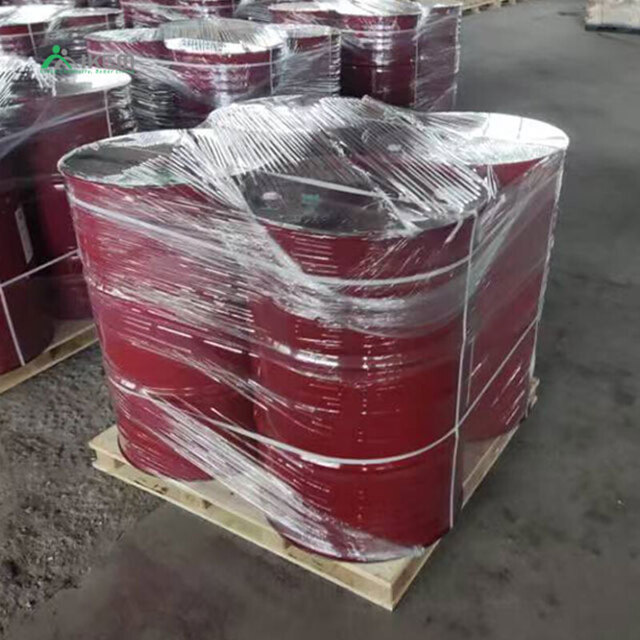
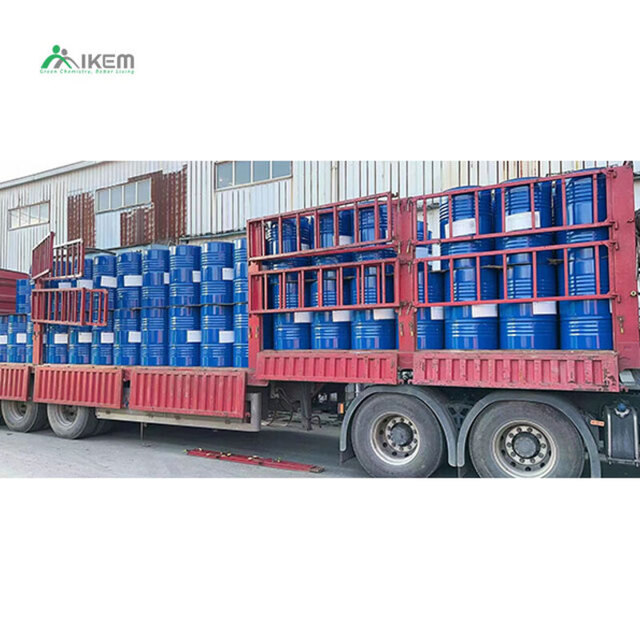
Mikem offers flexible packaging options, including 25 kg of fiber drums for liquid products and 15–25 kg PP/PE bags for powder products, all customizable to meet your specific needs.