What is Glucose oxidase CAS 9001-37-0?
Glucose oxidase CAS 9001-37-0, also known as GOx or GOD (EC 1.1.3.4), is an oxidoreductase enzyme commonly produced by microorganisms such as Aspergillus niger and certain insects. It catalyzes the oxidation of β-D-glucose to glucono-δ-lactone while simultaneously generating hydrogen peroxide. Due to this biochemical activity, glucose oxidase is widely used in analytical detection systems, food preservation processes, and various biotechnological applications.
Specifications
| Property |
Value |
| Appearance |
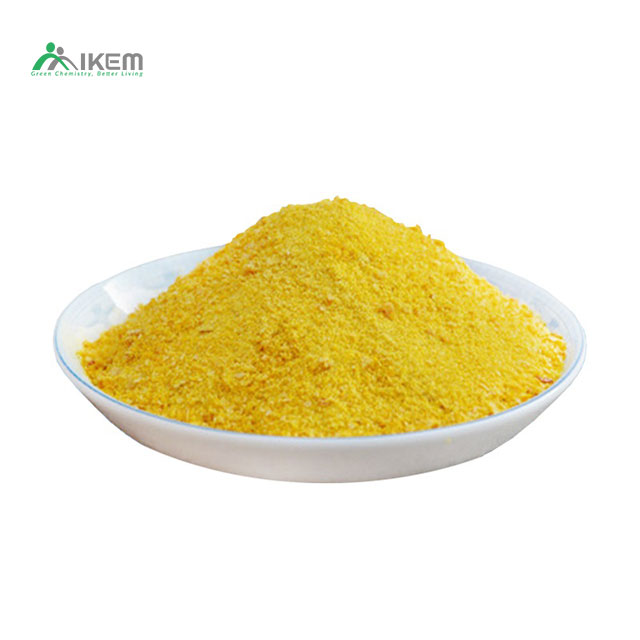
yellow powder |
| Density |
1.00 g/mL at 20 °C |
| pH |
4.5 |
| Storage Condition |
-20°C |
Features
- Biological Catalyst: Functions as an enzyme catalyst that selectively oxidizes glucose in biochemical and industrial processes.
- Microbial Origin: Typically produced through fermentation using microorganisms such as Aspergillus or Penicillium
- High Specificity: Demonstrates strong specificity toward β-D-glucose, enabling precise biochemical and analytical reactions.
- Biotechnology Utility: Its enzymatic activity supports numerous biotechnology, diagnostic, and food processing applications.
Applications
- Glucose Detection: Widely used in diagnostic kits and biosensors for measuring glucose levels in blood and other biological fluids.
- Food Preservation: Applied in food and beverage processing to remove oxygen and control glucose levels, improving product stability and shelf life.
- Diagnostic Reagent: Used in laboratory assays and biochemical analysis for the selective determination of glucose.
- Biotechnology Research: Utilized in biochemical research, enzyme studies, and cell culture experiments.
- Cosmetic Ingredient: Added to cosmetic formulations as a stabilizing or protective component in certain skincare products.
Packaging
Mikem offers flexible packaging options, including 25 kg of fiber drums for liquid products and 15–25 kg PP/PE bags for powder products, all customizable to meet your specific needs.