What is Potassium sorbate CAS 24634-61-5?
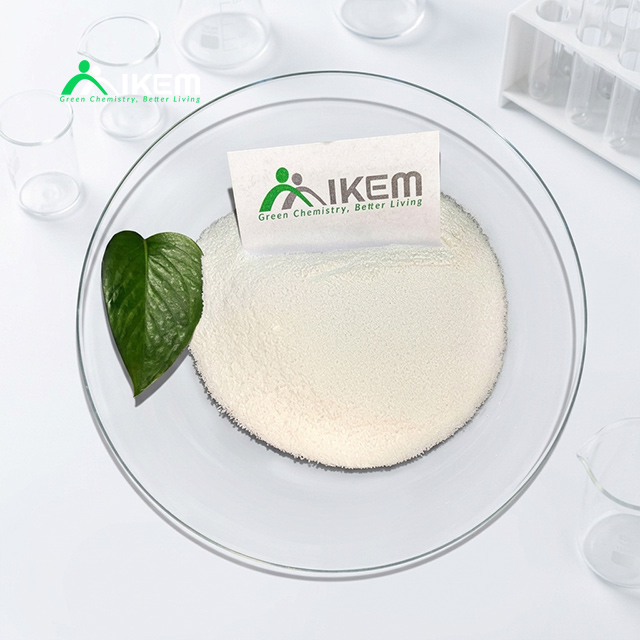
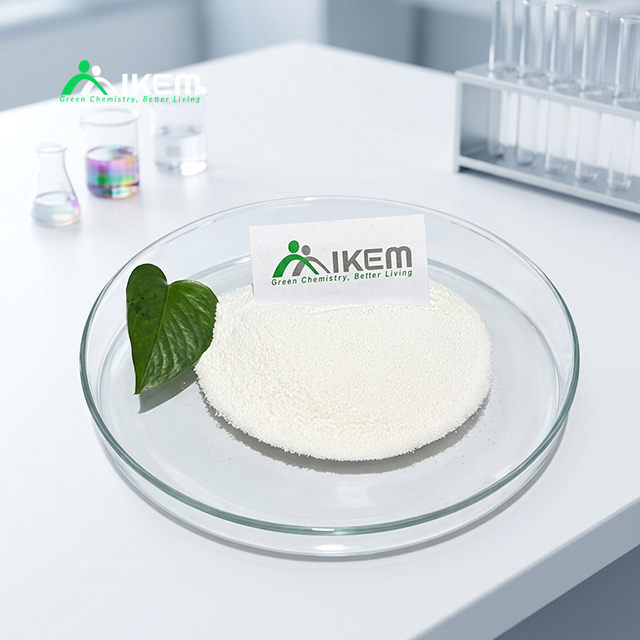
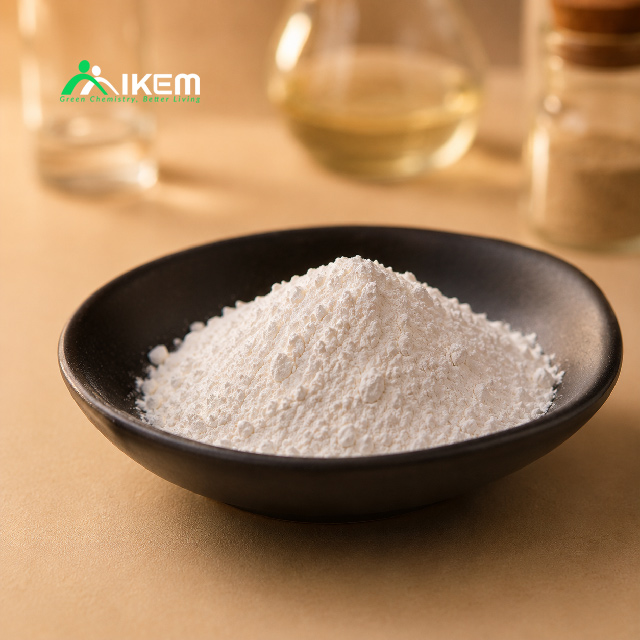
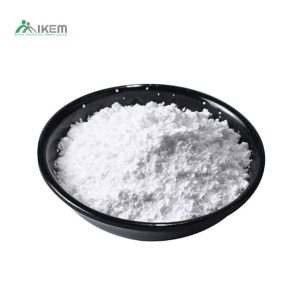
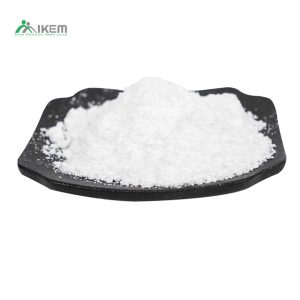
Potassium sorbate CAS 24634-61-5 is the potassium salt of sorbic acid, presenting as a white to light cream crystalline powder. Originally derived from the berries of the Mountain Ash Tree, it is now synthetically produced and widely utilized as a highly effective, fully degradable food preservative. When dissolved in water, it converts to its active form, sorbic acid, which strongly inhibits the growth of yeasts, molds, and select bacteria. Recognized globally as a GRAS (Generally Recognized as Safe) additive, it is extensively used across the food, beverage, personal care, and pharmaceutical industries to ensure shelf stability and prevent spoilage.
Specifications
| Property |
Value |
| Appearance |
White to light cream crystalline powder |
| Melting Point |
270 °C (decomposes) |
| Water Solubility |
58.2 g/100 mL (20 ºC) |
| Density |
1.361 g/cm3 |
| Storage Conditions |
Store at 2–8 °C in a well-closed container, protected from light |
Features
- Potent Antimicrobial Action: Highly effective at inhibiting the proliferation of molds, yeasts, and certain bacteria, preventing spoilage and ensuring product safety.
- Excellent Aqueous Solubility: Exceptionally soluble in water (over 50% at room temperature), making it a much preferred preservative form over pure sorbic acid for liquid formulations, beverages, and aqueous phases.
- pH-Dependent Efficacy: Converts to active sorbic acid in aqueous solutions. While it remains effective up to pH 6.5, its antimicrobial performance significantly increases as the pH decreases (with peak activity around pH 4.4).
- Safe and Biodegradable: Functions similarly to naturally occurring polyunsaturated fatty acids, metabolizing primarily into carbon dioxide in the body. It exhibits very low mammalian toxicity and has an extremely low allergenic potential.
Applications
- Food & Beverage Preservative: Widely applied (typically at 0.025% to 0.10% levels) in baked goods, cheeses, yogurts, dried meats, soft drinks, fruit juices, and margarine to ward off mold and extend shelf life at room temperature.
- Wine Stabilization: Commonly referred to as a “wine stabilizer,” it is added after active fermentation ceases to render surviving yeast incapable of multiplying, thereby preventing the unwanted future fermentation of residual sugars.
- Pharmaceuticals & Cosmetics: Employed as a reliable antimicrobial preservative in oral and topical pharmaceutical formulations, herbal dietary supplements, and personal care products, frequently utilized as a safer replacement for parabens.
- Livestock & Agricultural Feed: Petitioned for use in organic livestock production as a highly effective mold inhibitor for bulk feeds and raw materials, as well as a preservative in liquid livestock medications.
Packaging
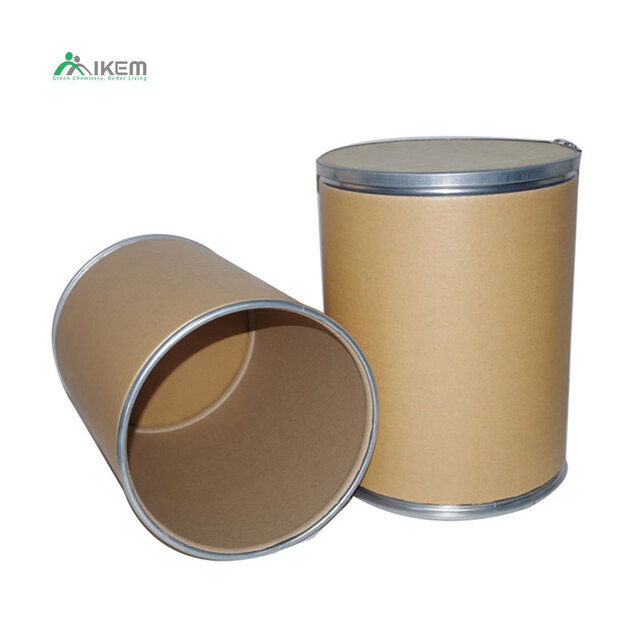
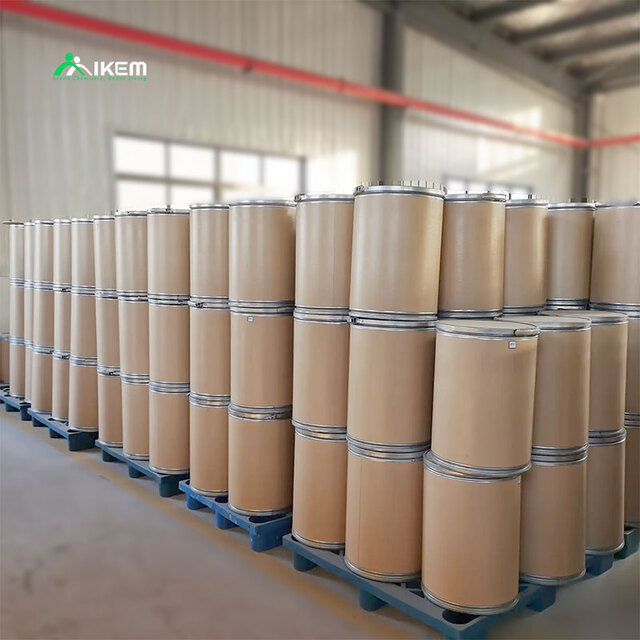
Mikem offers flexible packaging options, including 25 kg of fiber drums for liquid products and 15–25 kg PP/PE bags for powder products, all customizable to meet your specific needs.